Blog

First Time in Chiang Mai? A Guide to Experiencing the City Well

“

There is something slightly deceptive about arriving in Chiang Mai for the first time.

On a map, the city looks easy to understand: an ancient Old City at its centre, the Ping River running to the east, mountains rising beyond it and a collection of neighbourhoods spreading naturally outward.

Yet once you arrive, Chiang Mai reveals itself as a city of many different personalities.
There are centuries-old temples beside busy roads, traditional markets alongside contemporary cafés, quiet residential lanes only minutes from lively night markets, and neighbourhoods where everyday life seems to move at an entirely different pace.

For a first-time visitor, the secret is not trying to see everything. Chiang Mai is a city that becomes more enjoyable as you understand how its different parts connect. Rather than treating it as a checklist of sights, it is better experienced as a collection of neighbourhoods, flavours, rituals and small discoveries.

Understanding Chiang Mai Before You Explore It

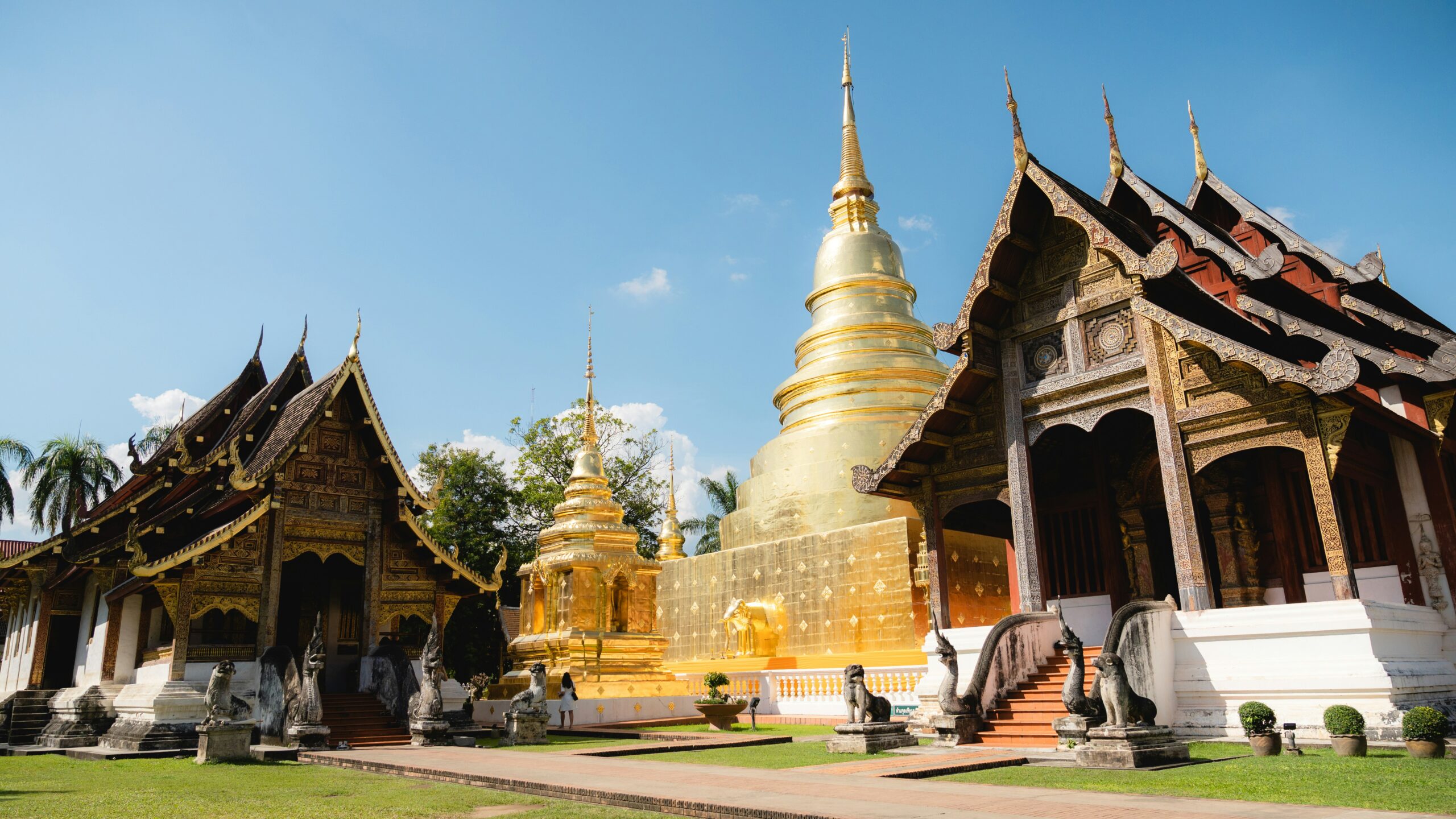
The historic Old City is naturally where many visitors begin. Enclosed by the remains of its ancient moat and walls, it contains some of Chiang Mai’s most important temples and offers a wonderful introduction to the city’s Lanna heritage. This is the Chiang Mai that appears in many photographs: saffron-robed monks, golden chedis, intricately carved wooden buildings and quiet temple courtyards. But the Old City is only part of the story.

To the east, the Ping River has shaped Chiang Mai’s commercial and cultural life for generations. Around the Wat Gate, or Wat Ket, neighbourhood, old houses, riverside buildings, Chinese shophouses and small local businesses reveal another side of the city. This is one of the reasons the area around Puripunn Hideaway feels so different from staying in a conventional tourist district. You remain close to the major sights, but your immediate surroundings have a more residential and historic character.

Further west, Nimman has a distinctly contemporary personality, with design-conscious cafés, restaurants, boutiques and a younger creative atmosphere. The mountain of Doi Suthep rises beyond the city, providing a dramatic natural backdrop and a reminder that Chiang Mai is as much a gateway to Northern Thailand as it is a destination in its own right.

Understanding these differences makes the city much easier to navigate. You don’t need to choose one Chiang Mai. You simply need to know which version you feel like experiencing at different moments of the day.

Wat Phra Singh Chiang Mai

How Long Should You Stay?

For a first visit, three or four nights gives you enough time to experience Chiang Mai without turning the trip into an itinerary exercise. A shorter stay can certainly work, but the character of the city is easier to appreciate when you have time to leave a few hours unplanned.

One of the common mistakes first-time visitors make is filling every morning and afternoon with scheduled excursions. Chiang Mai rewards a little breathing space. You might spend a morning visiting a temple, return to your hotel for lunch and a swim, wander through Wat Gate in the late afternoon and then find yourself having dinner beside the river that evening. None of these individual moments needs to be spectacular. Together, they become the memory of the trip.

If you have additional time, the city also works beautifully as a base for exploring the surrounding mountains and countryside. Doi Suthep, Doi Inthanon, Chiang Dao and other destinations beyond the city provide a very different perspective on Northern Thailand.

Getting Around Chiang Mai

Chiang Mai is relatively compact, which makes exploring it pleasantly straightforward. Some neighbourhoods are particularly rewarding on foot, especially around the Old City, Wat Gate and the Ping River. Walking allows you to notice details that disappear when travelling between attractions by car: a wooden doorway, a tiny spirit house, flowers outside a family home or the smell of something being prepared in a nearby kitchen.

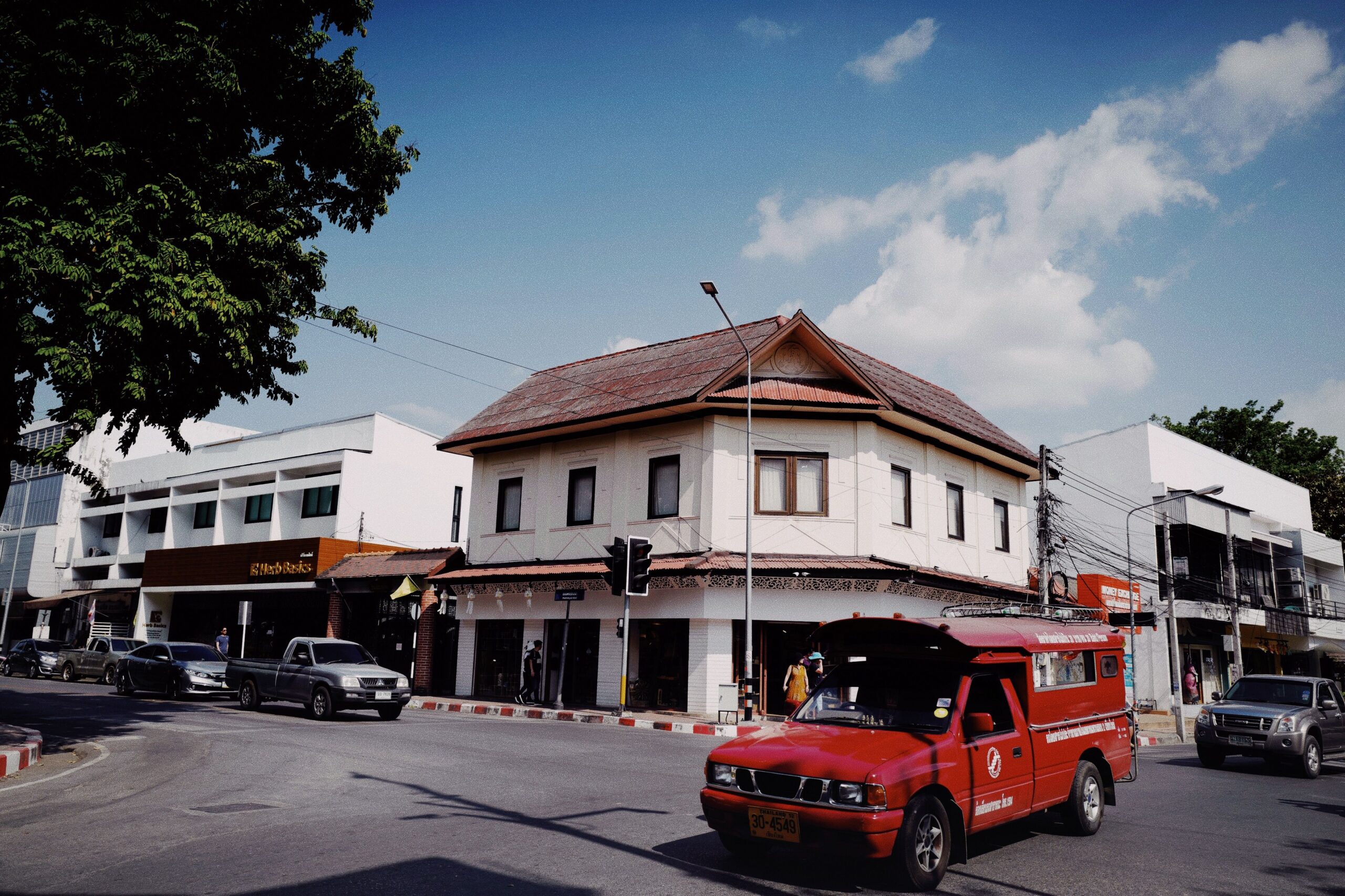
For longer journeys, tuk-tuks remain one of Chiang Mai’s most recognisable forms of transport, while taxis and ride-hailing services make travelling further afield simple. Puripunn Hideaway also offers complimentary tuk-tuk transportation to selected central attractions, making it easy to combine the freedom of independent exploration with the convenience of local guidance.

The important thing is not to spend too much time worrying about transport. Chiang Mai is a city where getting slightly lost can occasionally be part of the experience.

Red songthaew truck driving through a historic Chiang Mai street

Plan Your Days Around Chiang Mai's Rhythm

The climate also influences how the city is best experienced. Early mornings can be wonderfully calm, making them ideal for temples, markets and walking. The middle of the day is often better suited to a leisurely lunch, a return to the hotel or time beside the pool. As the temperature softens, the city becomes lively again.

This rhythm is particularly enjoyable when staying somewhere intimate. At Puripunn, a morning can begin with breakfast before heading out into the neighbourhood, while the afternoon can be spent beside the pool or enjoying time at Primo Sukho Spa. Later, you can leave again for dinner or an evening beside the Ping River. It creates a natural pattern: explore, pause, explore again.

A Few Things First-Time Visitors Should Know

Chiang Mai is welcoming and accustomed to international visitors, but a little cultural awareness makes travelling here more rewarding. Temples are active places of worship rather than simply tourist attractions, so modest clothing and respectful behaviour are appreciated. Shoes are normally removed before entering temple buildings and some other traditional spaces.

Markets are another important part of the experience. They are not simply places to buy souvenirs. They are places where locals shop, eat, meet and spend part of their everyday lives. Take time to look beyond the stalls selling the most obvious tourist products and you will often find a much more interesting side of Chiang Mai. And perhaps most importantly, don’t judge the city by how much you manage to see.

Chiang Mai is not necessarily at its best when you are standing in front of your tenth attraction of the day. It is often better when you are sitting with a coffee after an unplanned walk, watching the city move around you, or discovering a quiet street you had never intended to visit.

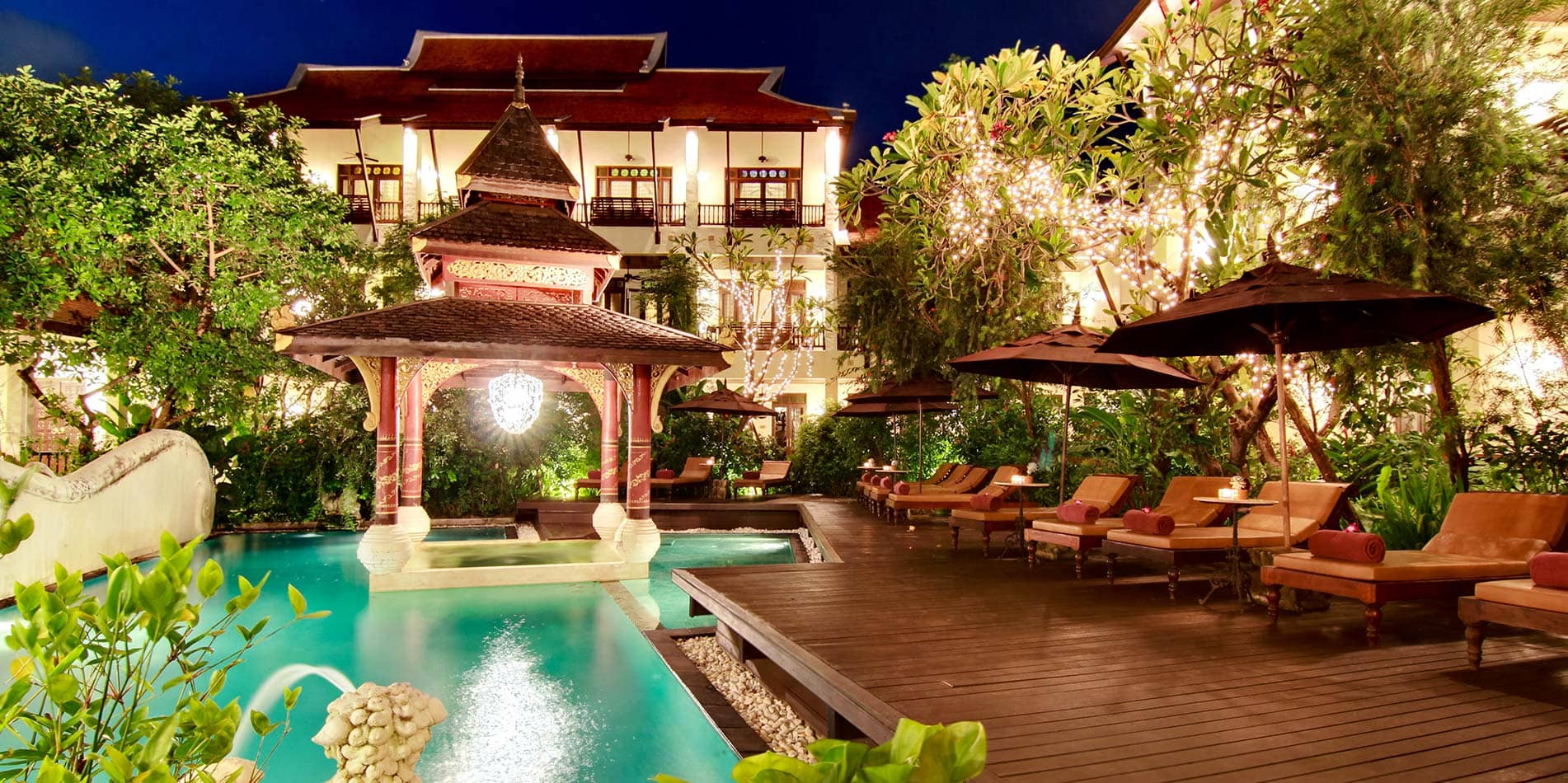
Puripunn Hideaway

Finding the Right Place to Stay

Where you stay can make a surprisingly large difference to a first visit. Being close to Chiang Mai’s attractions is convenient, but being surrounded by character changes the experience.

Puripunn Hideaway is located in Wat Gate, on the eastern side of the Ping River, within easy reach of the Old City, Warorot Market, the Night Bazaar and many of the city’s restaurants and riverside venues. The hotel itself is designed as a small, intimate retreat, inspired by the Lanna homes and colonial-era character of Chiang Mai.

It means that returning to the hotel doesn’t feel like leaving Chiang Mai behind. Instead, it feels like moving from one part of the city into another: from the noise and movement of the streets into a quieter expression of the same heritage. For a first visit, that balance is particularly valuable.

Chiang Mai doesn’t require you to understand everything before you arrive. Give yourself a few days, learn the rhythm of the city, explore beyond the obvious and leave enough space for something unexpected. The first visit may introduce you to Chiang Mai. The slower moments are often what make you want to return.